
Confidential · Trauma-Informed · Board-Certified
Asylum Psychological Evaluations
Clinical evaluations for affirmative and defensive asylum cases. We document PTSD, depression and the effects of persecution so your attorney has medical evidence to file with Form I-589.
PTSD Assessment
Affirmative & Defensive
English & Russian
Board-Certified PMHNP

Psychological Evaluation for Asylum Cases
An asylum psychological evaluation is a clinical interview with a board-certified psychiatric provider. We assess post-traumatic stress, depression, anxiety and sleep problems linked to the persecution you lived through.
The signed report explains what we found and why. Your attorney files it with Form I-589, together with your declaration and country condition evidence.

What Is Asylum and Who Is Eligible
Asylum protects people in the U.S. who fear persecution because of race, religion, nationality, political opinion or a particular social group. Refugee status is the same protection, granted abroad.
Most applicants must file within one year of arrival. An affirmative case goes to a USCIS asylum officer. A defensive case is heard by an immigration judge. Withholding of removal and CAT claims use the same form.

How the Report Supports Your Testimony
Trauma affects memory. Survivors may forget dates, freeze, or seem calm while describing violence, and officers can mistake this for low credibility.
Our report explains these reactions in clinical terms and links your symptoms to the harm you described. It can also show why you filed late, which may support an exception to the one-year asylum deadline.
- I.Background and history
- II.Persecution events
- III.Clinical findings
- IV.Diagnoses (DSM-5-TR)
- V.Opinion and recommendations
Certified
What you receive
What the Asylum Evaluation Report Includes
A forensic report written for asylum officers and immigration judges. Each section answers a question they are likely to ask.
Our Process
How the Asylum Evaluation Works
Four steps from the first call to a signed report your attorney files with Form I-589 or submits to the immigration court.
Tell us your case type, your attorney's name and any filing, interview or hearing date.
Answer questions about your background, health and what you lived through, at your own pace.
A private video interview directly with Inna Revutsky, PMHNP-BC, in English or Russian.
The final report goes to you and the attorney you name, ready to file.
Nothing you share is sent to anyone without your written consent.
Clear terms
Asylum Psychological Evaluation Cost and Turnaround
No hidden fees, a report planned around your deadline and direct coordination with your attorney.
A fixed fee, known upfront
You hear the full fee before you book. No surprise charges later.
Built around your deadline
Share your filing deadline, interview or hearing date. Expedited turnaround is available on request.
Addenda for your attorney
If your attorney needs a clarification after filing, we prepare an addendum.
Honest, independent findings
We don't give legal advice or promise outcomes. Independence is what makes a report credible to an asylum officer or judge.
Evening and weekend slots
Secure video sessions that fit around work and family, in English or Russian.
What Clients and Attorneys Say
Everything was explained clearly, and the documentation was prepared faster than we expected.
The virtual immigration evaluation process was simple and confidential. We appreciated the professionalism, communication, and emotional support.
From the very first consultation, the team made us feel safe, supported, and understood. The process felt supportive from the beginning, and the report was very detailed and helpful for our attorney.
They treated our family with kindness and professionalism throughout the entire process..
Why it matters
Asylum Evaluation vs. a Therapist Letter
USCIS officers and judges give more weight to a report built for legal review. Here is the difference.

Before we meet
How to Prepare for Your Asylum Evaluation
Many people worry they need to remember every date or arrive with a perfect file. You don't. Here is all that helps.
Bring what you have
Your I-589 or draft declaration, medical or police records from your home country and any other records you have. Missing something? That's okay.
Find a quiet corner
A private room, a phone or laptop and a stable connection. Nothing to install.
Go at your own pace
Share only what you feel able to share. We can pause any time or add a second session.
One more thing. Asylum has a one-year filing deadline and court dates are fixed. Tell us your date when you book so the report is ready in time.

Asylum Basics: Requirements, Eligibility and the Application Process
Plain-language answers to common questions. Your immigration attorney can advise on your specific case.
-
You must show a well-founded fear of persecution because of race, religion, nationality, political opinion or membership in a particular social group. You generally need to file within one year of arrival and must not fall under a bar, such as certain serious crimes or firm resettlement in another country.
-
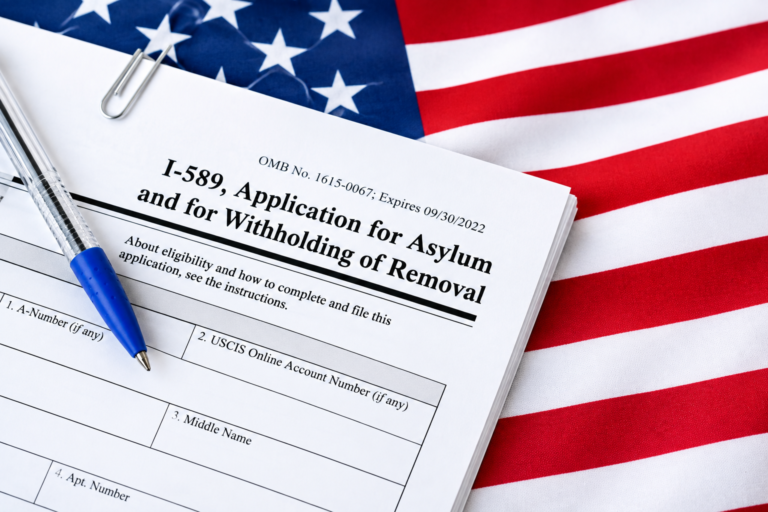
You file Form I-589, Application for Asylum and for Withholding of Removal, usually within one year of your last arrival. An immigration attorney helps you prepare the declaration and evidence. Our report is one part of that evidence.
-
Exceptions exist for changed or extraordinary circumstances, and serious mental health conditions such as PTSD or depression can be one of them. The evaluation can document how your condition affected your ability to file on time.
-
Both protect people who fear persecution for the same five reasons. Refugee status is granted to people outside the United States, while asylum is requested by people already in the U.S. or at the border.
-
Common asylum interview questions cover your identity, your journey, what happened to you, who harmed you and why, and what you fear if you return. Trauma can make it hard to answer in order, and a psychological evaluation can explain this to the officer.
-
In general you cannot be returned to your home country while the case is open, and after a waiting period you may apply for a work permit. Ask your attorney how this applies to you.
-
Yes. Once asylum status is granted, people can usually apply for a green card one year later. An evaluation is not needed for that step, but it often helps win the asylum case itself.
Frequently Asked Questions
-
It is a clinical assessment of how persecution affected your mental health. The provider interviews you, screens for PTSD, depression and anxiety, and writes a signed report your attorney can submit to USCIS or the immigration court.
-
It is not required. Your testimony is the core of the case. A psychological evaluation for asylum adds independent medical evidence, which helps most when trauma affects how you remember or tell your story.
-
Affirmative asylum is filed with USCIS by someone who is not in removal proceedings, and the interview is with an asylum officer. Defensive asylum is requested in immigration court as a defense against removal. Our evaluation supports both.
-
It is not legal preparation. Still, many clients say the clinical interview helps them put events in order and feel calmer before an asylum interview or credible fear interview. Your attorney prepares you for the questions.
-
Yes. Withholding of removal and protection under the Convention Against Torture are requested on the same Form I-589, so the clinical findings apply to all three forms of relief.
-
Political asylum, religious persecution, gender-based violence, domestic violence, LGBTQ+ claims and cases based on a particular social group. Each report reflects the facts of your own case.
-
The fee is fixed and depends on the case and how many sessions are needed. We tell you the full fee before you book, so there are no surprises later.
-
It depends on the case and on your filing deadline, asylum interview or court hearing date. Share that date when you reach out and we plan the interview and report around it. Expedited turnaround is available on request.
-
Your attorney can ask us to clarify points or address specific legal questions, and we can prepare an addendum. We do not change clinical findings to fit a case, because that would make the report less credible.
-
Ask your attorney to contact us. Whether a video evaluation is possible depends on the detention facility's rules for legal and clinical visits, and we confirm this before scheduling.
We're Here To Help
Schedule Your Psychiatric Evaluation
Confidential, nationwide, and tailored to your immigration case.