
Confidential · Trauma-Informed · Board-Certified
U Visa Psychiatric Evaluations
Psychiatric evaluations for U visa petitioners (Form I-918) that document the substantial mental abuse caused by a qualifying crime. Confidential, trauma-informed and done by telehealth.
Substantial Abuse Documented
Form I-918 Support
English & Russian
Board-Certified PMHNP
Psychiatric Evaluation for a U Visa Petition
The U visa is for victims of qualifying crimes who suffered substantial physical or mental abuse and helped, or may help, law enforcement. It leads to U nonimmigrant status, a work permit and later a green card.
Our evaluation documents the mental harm: PTSD, depression, anxiety, panic and sleep problems. Your attorney files the signed report with Form I-918, next to the Supplement B certification.

Proving Substantial Mental Abuse
Being a crime victim is not enough. USCIS must also find the harm substantial, and psychological injury is hard to show with photos or police reports.
Officers look at the nature, severity and length of the harm, and whether it worsened an earlier condition. Our report describes life before and after the crime, its effect on work, family and sleep, and the treatment you may need.
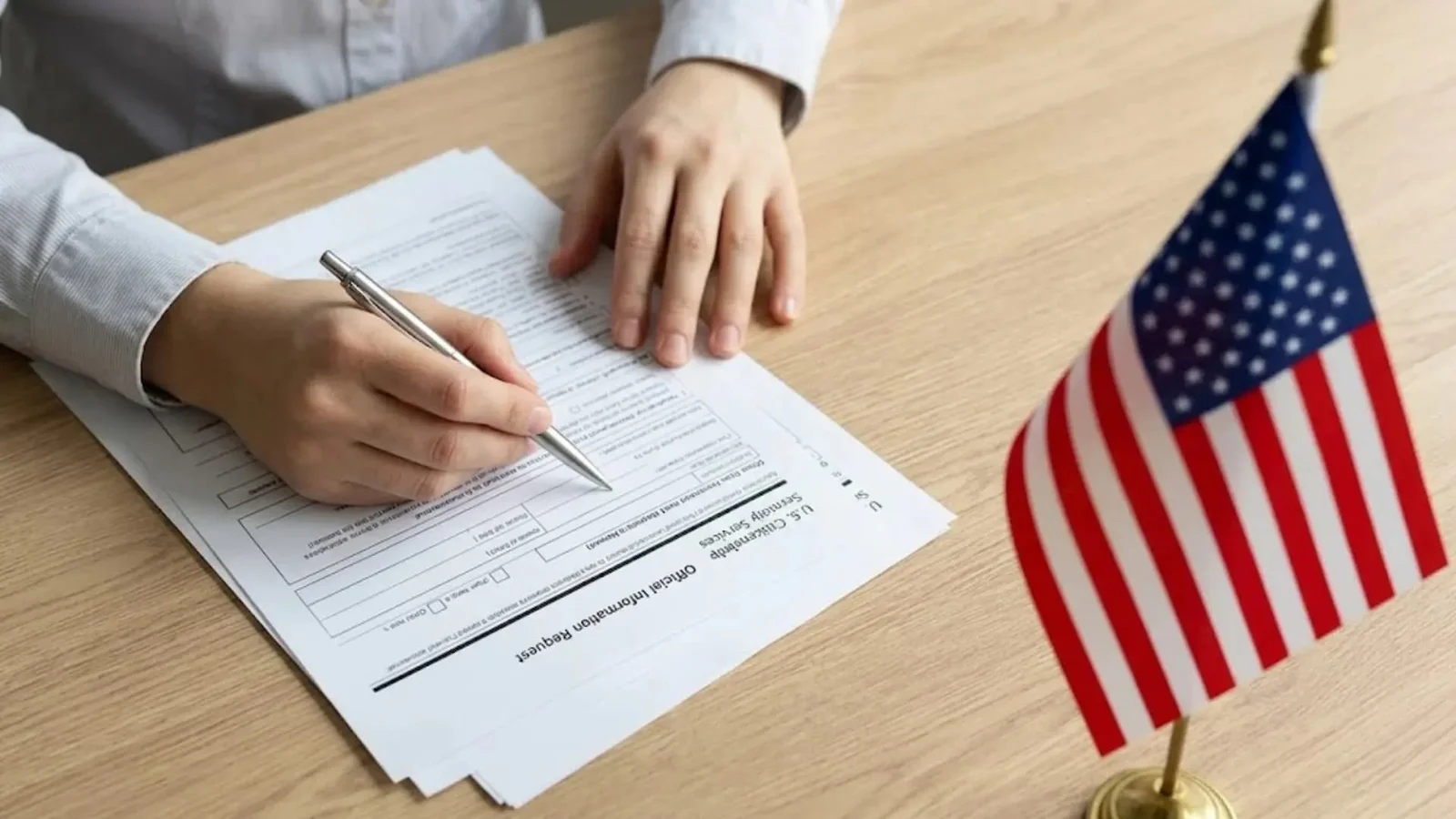
Qualifying Crimes for a U Visa
We often document domestic violence, sexual assault, felonious assault, stalking, kidnapping, trafficking, extortion and witness tampering. Indirect victims, such as relatives of a murdered victim, may also qualify.
If the abuser was a U.S. citizen or LPR spouse or parent, a VAWA evaluation may fit. Trafficking survivors may qualify for a T visa. Your attorney chooses the path.
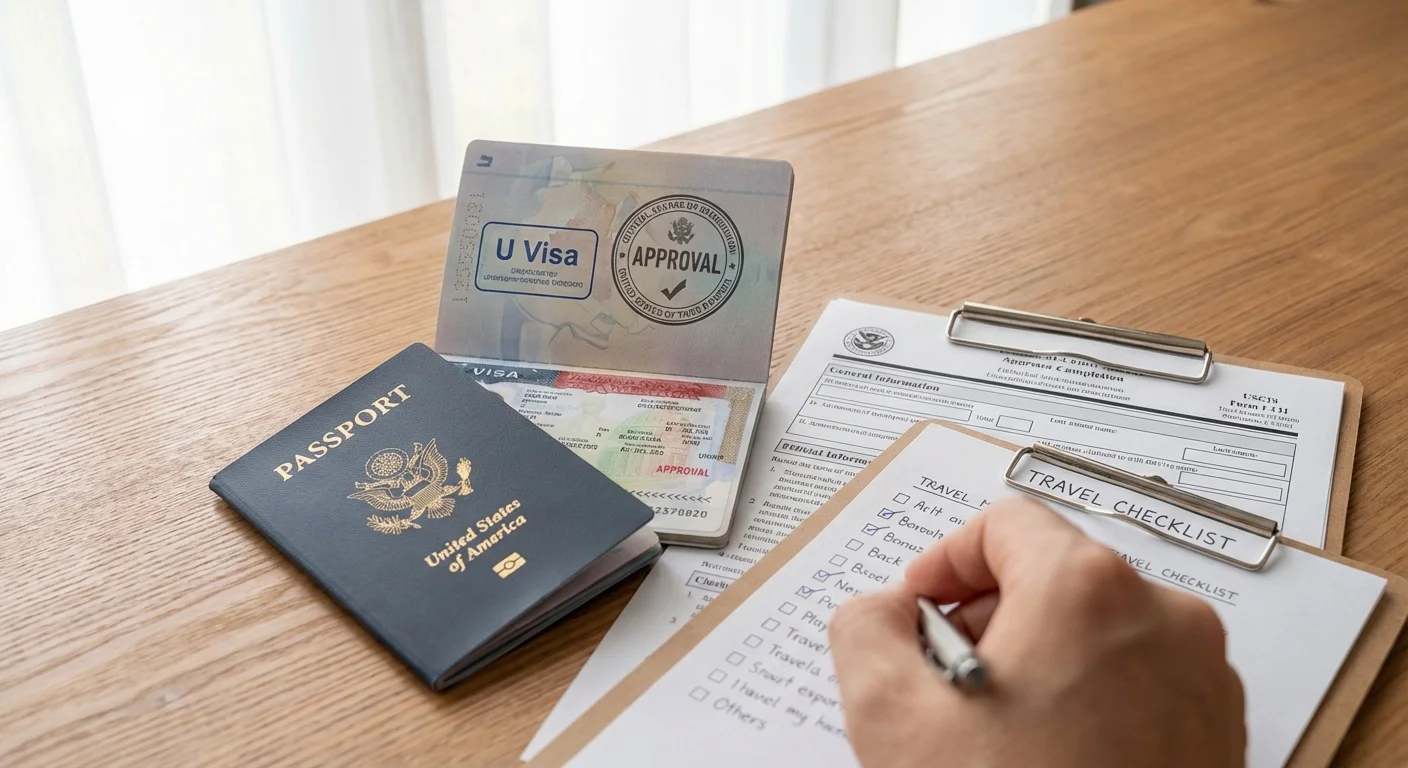
How the U Visa Evaluation Works
Consultation. A brief, confidential call about the crime, your case stage and your attorney’s timeline.
Online intake. Forms are signed electronically. Your attorney can share the police report and declaration.
Video interview. From a private place, at your own pace.
Report. Sent to you or your attorney. You can book before Supplement B is signed.

Trauma-Informed Support for Crime Survivors
Talking about a crime can bring back fear and shame. We go slowly and keep the conversation within your limits.
Sessions run in English or Russian, evenings and weekends included. Family members in your petition can be evaluated too, all through our virtual evaluation service. For the full process, read our U visa psychological evaluation guide.
- I.Background and history
- II.The qualifying crime
- III.Clinical findings
- IV.Substantial abuse factors
- V.Opinion and recommendations
Certified
What you receive
What the U Visa Evaluation Report Includes
A forensic report that documents the substantial physical or mental abuse element of Form I-918, organized around the factors USCIS weighs.
Our Process
How the U Visa Evaluation Works
Four steps from the first call to a signed report your attorney files with Form I-918 and the law enforcement certification.
Tell us your case type, your attorney's name and any filing, interview or hearing date.
Answer questions about your background, health and the crime, at your own pace.
A private video interview directly with Inna Revutsky, PMHNP-BC, in English or Russian.
The final report goes to you and the attorney you name, ready to file.
Nothing you share is sent to anyone without your written consent.
Clear terms
U Visa Psychological Evaluation Cost and Turnaround
No hidden fees, a report planned around your deadline and direct coordination with your attorney.
A fixed fee, known upfront
You hear the full fee before you book. No surprise charges later.
Built around your deadline
Share your filing date or any USCIS deadline. Expedited turnaround is available on request.
Addenda for your attorney
If your attorney needs a clarification after filing, we prepare an addendum.
Honest, independent findings
We don't give legal advice or promise outcomes. Independence is what makes a report credible to a USCIS officer.
Evening and weekend slots
Secure video sessions that fit around work and family, in English or Russian.
What Clients and Attorneys Say
Everything was explained clearly, and the documentation was prepared faster than we expected.
The virtual immigration evaluation process was simple and confidential. We appreciated the professionalism, communication, and emotional support.
From the very first consultation, the team made us feel safe, supported, and understood. The process felt supportive from the beginning, and the report was very detailed and helpful for our attorney.
They treated our family with kindness and professionalism throughout the entire process..
Why it matters
U Visa Evaluation vs. a Therapist Letter
USCIS officers and judges give more weight to a report built for legal review. Here is the difference.

Before we meet
How to Prepare for Your U Visa Evaluation
Many people worry they need to remember every date or arrive with a perfect file. You don't. Here is all that helps.
Bring what you have
A police report or I-918 Supplement B, protective orders and any other records you have. Missing something? That's okay.
Find a quiet corner
A private room, a phone or laptop and a stable connection. Nothing to install.
Go at your own pace
Share only what you feel able to share. We can pause any time or add a second session.
One more thing. If your child or another relative was also affected by the crime, mention it when you book. We will discuss whether a separate evaluation could help.



U Visa Requirements, Application Process and Processing Time
Plain-language answers to common questions. Your immigration attorney can advise on your specific case.
-
The U visa, officially U nonimmigrant status, protects victims of crime in the United States who suffered substantial physical or mental abuse and help law enforcement. It gives up to four years of lawful status, a work permit and a path to a green card.
-
U visa eligibility depends on four requirements. You must be a victim of qualifying criminal activity, have suffered substantial physical or mental abuse, have information about the crime and be helpful to law enforcement. The crime must have happened in the U.S. or violated U.S. law. Many applicants also need a waiver on Form I-192.
-
The list includes domestic violence, sexual assault, rape, stalking, trafficking, kidnapping, felonious assault, extortion and several other crimes. Attempts, conspiracy and solicitation to commit them also count.
-
The U visa process starts with Form I-918, filed by your attorney with the I-918 Supplement B, the U visa certification signed by a police department, prosecutor or other certifying agency. The U visa application also includes your personal statement and evidence of the abuse, such as a psychological evaluation.
-
U visa processing time is measured in years. The program is capped at 10,000 visas a year, so the U visa backlog is long. A bona fide determination can bring a work permit and deferred action while you wait.
-
While a petition waits in the backlog, USCIS checks whether it is bona fide. If it is, USCIS can grant deferred action and a U visa work permit (employment authorization), so you can live and work lawfully during the wait.
-
Yes. The U visa green card step comes after three years in U nonimmigrant status, when many holders can apply with Form I-485.
-
U visa benefits include lawful status for up to four years, a work permit, the option to include qualifying family members and a path to a green card after three years. A clear evidence package, including the psychological evaluation, helps avoid delays.
Frequently Asked Questions
-
Federal law lists the qualifying crimes, including domestic violence, sexual assault, stalking, felonious assault, kidnapping, trafficking and extortion. Your attorney confirms whether your experience qualifies, and we document its psychological impact.
-
No. The petition must include a signed Form I-918 Supplement B, but you can schedule the evaluation before you have it. Many clients are evaluated while the certification is being requested.
-
It is the level of harm USCIS must find to approve a U visa. Officers consider how severe the harm was, how long it lasted and how it changed your life. A psychiatric evaluation is often the clearest evidence of mental abuse.
-
Yes. We work with clients at every stage, including when an attorney needs more evidence after a Request for Evidence from USCIS.
-
Yes, when their own symptoms are relevant. For example, children who witnessed domestic violence.
-
The report addresses the U visa standards and goes directly to your attorney, who files it with Form I-918 and refers to it in the legal arguments.
-
Many survivors seek help long after the crime. The evaluation documents your current symptoms and how they developed, which can still show lasting harm.
-
Yes. All U visa evaluations can be completed by secure video from a private place, with no travel to an office.
-
Victims of a qualifying crime who suffered substantial abuse, have useful information and were helpful to police or prosecutors. Some family members can be included in the petition.
-
You share only what you feel able to share. The evaluation focuses on how the crime has affected your mood, sleep, work and relationships, and you can pause or take a break at any time. Memory gaps are common after trauma, and the report can explain them to USCIS as part of documenting substantial physical or mental abuse.
-
The fee is fixed and depends on the case and how many sessions are needed. We tell you the full fee before you book, so there are no surprises later.
-
It depends on the case and on your filing date or any USCIS deadline. Share that date when you reach out and we plan the interview and report around it. Expedited turnaround is available on request.
-
Your attorney can ask us to clarify points or address specific legal questions, and we can prepare an addendum. We do not change clinical findings to fit a case, because that would make the report less credible.
We're Here To Help
Schedule Your Psychiatric Evaluation
Confidential, nationwide, and tailored to your immigration case.