How a Psychological Evaluation Strengthens an Asylum Case: A Guide for Applicants
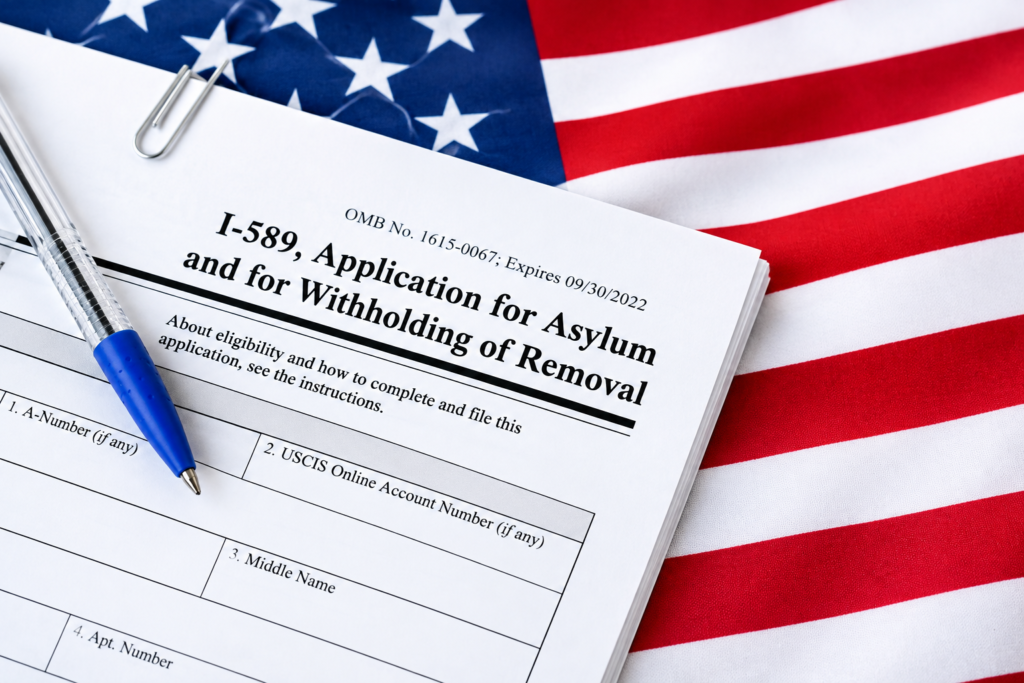
Fleeing your home country is not a decision anyone makes lightly. Behind every asylum case is a story of fear, trauma, and survival – and yet immigration courts require more than a story. They require evidence.
An asylum psychological evaluation translates that human experience into clinical documentation that attorneys, immigration judges, and USCIS officers can act on. It does not replace your testimony – it gives it weight.
This guide explains what an asylum psychological evaluation is, why it matters, and what the process looks like when you work with Nursing The Mind.
What Is an Asylum Psychological Evaluation?
An asylum psychological evaluation – also called an asylum psychiatric evaluation or asylum mental health assessment – is a formal clinical assessment conducted by a licensed mental health professional. It is specifically designed for individuals seeking asylum in the United States who have experienced persecution, torture, violence, or other traumatic events in their home country.
The evaluation produces a detailed written report documenting your psychological condition, the traumatic experiences that caused it, and the clinical reasons why returning to your home country would pose a serious risk to your mental health and safety. This report becomes part of your asylum application and is submitted by your attorney as supporting evidence.
Who Needs an Asylum Psychological Evaluation?
A psychological evaluation for asylum is strongly recommended for anyone whose asylum claim involves:
- Persecution based on race, religion, nationality, political opinion, or membership in a particular social group
- Surviving torture, imprisonment, or state-sponsored violence
- Witnessing violence against family members or community members
- Fleeing domestic violence, gang violence, or honor-based violence
- Experiencing trauma that affects your ability to recount events consistently during interviews
You do not need to have an existing psychiatric diagnosis to request an evaluation. In many cases, the evaluation itself is what identifies and documents the trauma for the first time.
Why Asylum Cases Specifically Need Mental Health Evidence
Asylum law requires applicants to demonstrate a well-founded fear of persecution. But fear and trauma are internal experiences – they are not always visible in documents, police reports, or legal filings.
This is where a trauma evaluation for immigration purposes becomes critical. Consider three specific challenges asylum seekers face:
Challenge 1: Credibility
Immigration judges assess whether your account of persecution is credible. Trauma affects memory – survivors often cannot recall events in perfect chronological order, may minimize what happened, or may become visibly distressed during interviews. Without clinical context, these natural trauma responses can be mistaken for inconsistency or dishonesty. A psychological evaluation explains this to the court in clinical terms.
Challenge 2: Corroboration
In many asylum cases, documentary evidence from the home country is limited or unavailable. A professional immigration mental health assessment provides independent clinical corroboration of your experience – from a licensed U.S. provider who has no stake in the outcome of your case.
Challenge 3: Demonstrating ongoing harm
Asylum protection is forward-looking – it must show that you face future harm, not just past harm. A clinical assessment documenting active PTSD, severe anxiety, or depression directly linked to your home country circumstances supports the argument that return would cause ongoing psychological damage.
What a Strong Asylum Psychological Evaluation Must Include
Not every psychological report carries the same weight in immigration court. Based on the requirements of asylum proceedings, a strong evaluation must address the following:
| Element | Why It Matters |
| Formal DSM-5 diagnosis | Establishes clinical legitimacy recognized by courts |
| Trauma history narrative | Connects your experiences to your psychological symptoms |
| Nexus to persecution | Links your diagnosis to the specific harm you faced |
| Consistency analysis | Explains why trauma affects memory and recall |
| Risk assessment | Addresses what return to your home country would mean clinically |
| Prognosis | Shows whether symptoms are likely to worsen without protection |
At Nursing The Mind, every asylum psychological evaluation is written to address each of these elements – because a report that misses any one of them may not hold up under scrutiny.
How the Evaluation Process Works at Nursing The Mind
The process is designed to be thorough, trauma-informed, and coordinated with your legal team. Here is how it works from first contact to final report:
- Initial consultation: You or your attorney contacts Nursing The Mind to schedule an appointment and discuss the specifics of your case and any upcoming legal deadlines.
- Clinical interview: Inna Revutsky, PMHNP-BC conducts a detailed in-depth interview covering your personal history, the traumatic events you experienced, your current mental health symptoms, and the impact on your daily life.
- Psychological assessment: A structured clinical evaluation identifies your diagnosis using DSM-5 criteria and documents the clinical connection between your trauma and your asylum claim.
- Report preparation: A comprehensive written report is prepared, reviewed in collaboration with your attorney, and delivered within the agreed timeline – typically within a few business days to two weeks.
All sessions are available via Telehealth, so you can complete your evaluation from anywhere in the United States without traveling.
How an Asylum Psychological Evaluation Strengthens Your Case
A well-written psychological evaluation for asylum does more than add a document to your file. It actively changes how your case is perceived. Here is what it can do:
- Explain trauma responses to the court – Why you forgot certain details. Why you seem calm when describing horrific events. Why your account differs slightly across interviews. These are textbook trauma responses, and a clinical report names them as such.
- Add independent credibility – Your testimony is yours. The psychological evaluation is an independent clinical assessment from a licensed U.S. professional. Together, they are far stronger than either alone.
- Document what cannot be seen – Nightmares, hypervigilance, dissociation, panic attacks – these are real symptoms with real clinical names. The evaluation makes them visible to the court.
- Address gaps in documentary evidence – If you could not safely obtain records from your home country, the clinical report provides an alternative form of corroboration.
- Support your attorney’s legal arguments – Your attorney builds the legal framework. The psychological evaluation provides the human and clinical foundation that makes that framework credible.
Can an Asylum Evaluation Be Done Remotely?
Yes. Nursing The Mind conducts all evaluations via secure Telehealth appointments. Whether you are in New York, Los Angeles, Houston, Miami, or anywhere else in the United States, you can access a professional asylum psychological evaluation without leaving your home.
This is particularly important for asylum seekers who may have limited transportation, work constraints, childcare responsibilities, or safety concerns about traveling.
Why Choose Nursing The Mind for Your Asylum Psychological Evaluation?
Asylum cases are among the most complex and high-stakes immigration proceedings. Inna Revutsky, PMHNP-BC has worked with asylum seekers from dozens of countries – people who survived war, torture, political persecution, and forced displacement. She understands that no two stories are alike, and that the difference between a good report and a great one is how well the evaluator truly listened.
Every asylum evaluation at Nursing The Mind is built around three commitments: clinical accuracy, legal relevance, and human dignity. Your report will reflect not just your diagnosis – but your reality.
Frequently Asked Questions
Do I need to be formally diagnosed before getting an asylum psychological evaluation?
No. The evaluation is the diagnostic process. You come in as you are – with your history and your symptoms – and the clinical assessment determines what conditions are present and how they connect to your asylum claim.
What if my English is limited?
The evaluation can be conducted through a qualified interpreter. Please inform us when scheduling so we can make the appropriate arrangements.
How soon can I get my report?
Reports are typically delivered within a few business days to two weeks. If you have an urgent court deadline, contact us immediately – we work with attorneys to accommodate tight timelines.
Will the evaluation help if my asylum case has already been denied once?
Yes. A psychological evaluation can be a valuable component of an appeal or motion to reopen, particularly if mental health evidence was not included in the original application.
What is the difference between an asylum evaluation and therapy?
An asylum psychological evaluation is a forensic clinical assessment – its purpose is documentation for your legal case, not treatment. Some clients also benefit from ongoing therapeutic support, which is a separate service.
Schedule Your Asylum Psychological Evaluation Today
Your asylum case deserves the strongest possible foundation. A professional psychological evaluation ensures that the trauma you have lived through is documented, recognized, and presented in a way that supports your claim.
To schedule an asylum psychological evaluation with Nursing The Mind, call (862) 308-8344 or book a virtual appointment online. We serve asylum seekers across the United States and work closely with immigration attorneys nationwide.
You have a voice too – and we are here to help the world hear it.