VAWA Petition and Psychiatric Evaluation: How Mental Health Evidence Helps
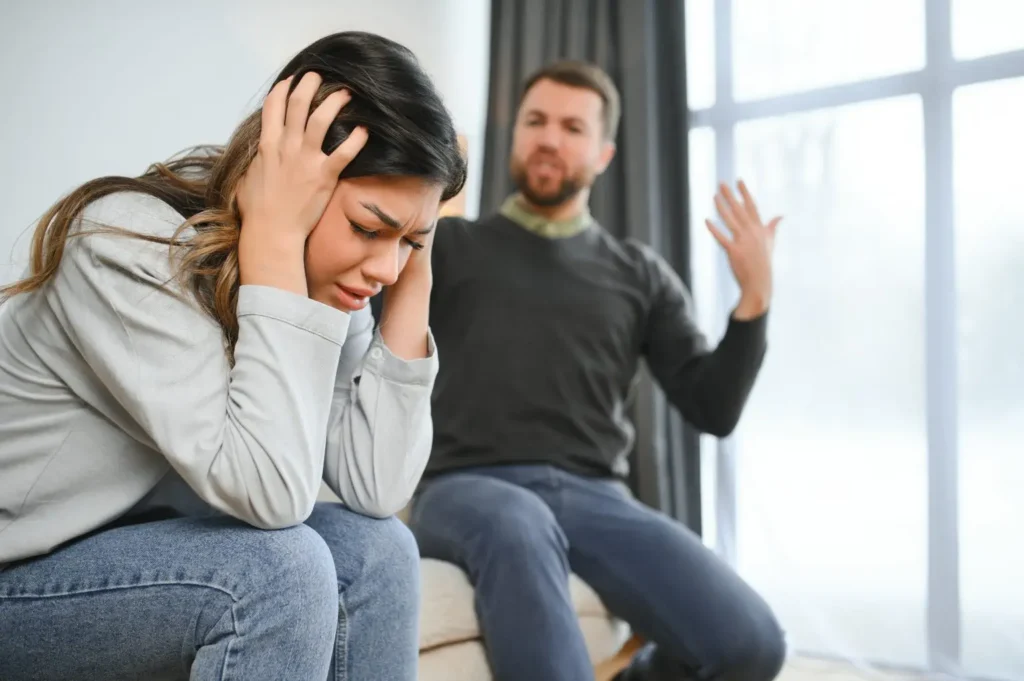
Leaving an abusive relationship is one of the hardest things a person can do. For immigrants whose immigration status is tied to an abusive spouse or family member, the fear of deportation can feel just as overwhelming as the abuse itself.
The Violence Against Women Act – known as VAWA – gives survivors a path to safety and legal status that does not depend on their abuser. And a VAWA psychological evaluation is one of the most powerful pieces of evidence you can include in that petition.
This guide explains what a VAWA psychological evaluation is, why it matters, and how Nursing The Mind helps survivors document their experience for their immigration case.
What Is a VAWA Psychological Evaluation?
A VAWA psychological evaluation – also called a VAWA psychiatric evaluation or VAWA mental health evaluation – is a formal clinical assessment conducted by a licensed mental health professional. It is designed specifically to document the psychological impact of abuse, battery, or extreme cruelty experienced by immigrants who are eligible to self-petition under VAWA.
The result is a detailed written report that your immigration attorney submits as part of your VAWA self-petition or green card application. This report provides USCIS with clinical evidence of the harm you suffered – evidence that goes far beyond what legal documents alone can show.
What Is VAWA and Who Can Use It?
The Violence Against Women Act allows certain immigrants who have been abused by a U.S. citizen or lawful permanent resident spouse, parent, or adult child to self-petition for immigration relief – without the abuser’s knowledge or cooperation.
You may be eligible to file a VAWA self-petition if you are:
- A spouse who has been battered or subjected to extreme cruelty by a U.S. citizen or LPR spouse
- A child who has been abused by a U.S. citizen or LPR parent
- A parent who has been abused by a U.S. citizen adult son or daughter
- A person of any gender – VAWA protections apply to all survivors regardless of gender
To qualify, you must demonstrate that you have been subjected to battery or extreme cruelty. This is where a psychological evaluation for VAWA becomes essential.
What Does “Battery or Extreme Cruelty” Mean – And Why Is It Hard to Prove?
USCIS defines battery and extreme cruelty broadly. It includes not only physical violence but also:
| Form of Abuse | Examples |
| Physical battery | Hitting, pushing, choking, restraining |
| Emotional abuse | Humiliation, threats, isolation, manipulation |
| Psychological abuse | Controlling behavior, gaslighting, instilling fear |
| Sexual abuse | Coercion, assault within the relationship |
| Economic abuse | Controlling finances, preventing employment |
| Immigration-related abuse | Threatening to report to immigration authorities, withholding documents |
The challenge is that much of this abuse leaves no visible marks. Police reports may not exist. Witnesses may be unavailable. The abuser may appear respectable to outsiders.
A VAWA psychological evaluation fills this evidentiary gap. It documents the psychological reality of what you experienced – in clinical terms that USCIS recognizes and takes seriously.
Why Mental Health Evidence Is Critical for a VAWA Petition
A VAWA self-petition lives or dies on credibility and evidence. Your personal declaration tells your story. Your attorney builds the legal argument. But neither of these fully answers the question USCIS is asking: what did this abuse actually do to you?
A professional VAWA mental health evaluation answers that question directly. It provides:
- Clinical documentation of PTSD, depression, anxiety, or trauma disorders directly caused by the abuse
- An expert explanation of why survivors stay in abusive relationships – a question USCIS officers often scrutinize
- Evidence of the psychological mechanisms of control that kept you in the relationship
- Clinical corroboration that your account of the abuse is consistent with recognized trauma responses
- Documentation of the long-term psychological harm caused by battery or extreme cruelty
For many VAWA petitions, the psychological evaluation is the piece of evidence that makes everything else believable.
How a VAWA Psychological Evaluation Is Different From Other Immigration Evaluations
Each type of immigration evaluation serves a different legal purpose. Here is how a VAWA evaluation differs from others:
| Evaluation Type | Primary Focus | Key Legal Standard |
| VAWA psychological evaluation | Documenting abuse and its psychological impact | Battery or extreme cruelty under VAWA |
| Asylum evaluation | Documenting fear of persecution and trauma | Well-founded fear of persecution |
| U Visa evaluation | Documenting harm from a qualifying crime | Substantial physical or mental abuse |
| Extreme hardship evaluation | Documenting impact of separation/deportation | Exceptional and extremely unusual hardship |
A VAWA evaluation must specifically address the pattern of abusive behavior, the psychological mechanisms of coercive control, and the clinical effects of living under ongoing abuse – not just a single traumatic event.
How the Evaluation Works at Nursing The Mind
At Nursing The Mind, the VAWA evaluation process is designed to be safe, confidential, and legally focused. Here is exactly how it works:
- Scheduling: You or your attorney contacts Nursing The Mind to arrange an appointment. All sessions are available via secure Telehealth – you never need to travel or be in the same location as your abuser.
- Clinical interview: Inna Revutsky, PMHNP-BC conducts a thorough interview covering your relationship history, the specific incidents of abuse, the pattern of controlling behavior, and the psychological impact on your daily life.
- Psychological assessment: A structured evaluation identifies your diagnosis – such as PTSD, major depressive disorder, or anxiety disorder – and documents the direct clinical connection between the abuse and your symptoms.
- Report preparation: A comprehensive written report is prepared that addresses USCIS requirements for VAWA petitions, reviewed with your attorney, and delivered within the agreed timeline.
Everything discussed during the evaluation is strictly confidential and used solely to support your immigration case.
What Makes a VAWA Psychological Report Effective
Not all psychological reports carry equal weight with USCIS. A strong VAWA psychological evaluation must go beyond simply listing symptoms. It must:
- Establish a clear diagnosis using DSM-5 criteria – PTSD, complex PTSD, major depressive disorder, or similar conditions
- Document the abuse pattern – not just individual incidents, but the ongoing cycle of control, fear, and harm
- Explain coercive control – clinically describe how psychological abuse works and why it is just as damaging as physical violence
- Address why you stayed – one of the most common questions USCIS has, and one that clinical psychology answers clearly and credibly
- Connect symptoms to the relationship – show that your mental health condition is a direct result of the abuse, not pre-existing or unrelated
At Nursing The Mind, every VAWA evaluation is written with these standards in mind from the first session.
VAWA Psychological Evaluation Sample: What the Report Looks Like
Many people search for a VAWA psychological evaluation sample before they schedule. Real reports are confidential, so we cannot publish one, but every report we write follows a consistent structure. Below is a sample outline of the sections USCIS will see.
- Identifying information and referral. Who requested the evaluation, the purpose (supporting a Form I-360 self-petition), and the dates and method of the interview, including whether it was conducted by telehealth.
- Sources of information. The clinical interview, standardized screening instruments, and any records reviewed, such as the petitioner’s declaration or prior medical notes.
- Background and relationship history. Upbringing, migration history, how the relationship with the abuser began, and the petitioner’s functioning before the abuse.
- History of abuse. The petitioner’s account of physical abuse, threats, isolation, financial control, sexual coercion, or immigration-related threats, in their own words where possible.
- Mental status examination. The clinician’s direct observations of mood, affect, speech, thought process and behavior during the interview.
- Test results. Scores from validated measures of trauma, depression and anxiety, with an explanation of what they mean.
- Diagnostic impressions. Diagnoses based on DSM-5-TR criteria, such as PTSD, major depressive disorder or generalized anxiety disorder, when the criteria are met.
- Clinical opinion. How the symptoms relate to the abuse described, and whether the presentation is consistent with battery or extreme cruelty.
- Recommendations. Treatment needs and factors that support the petitioner’s safety and recovery.
- Credentials and signature. The evaluator’s license, board certification and signature.
For illustration only, a clinical opinion section might read: “The petitioner’s reported symptoms, including intrusive memories, hypervigilance and avoidance, began during the marriage and are consistent with the pattern of coercive control she describes.” Every report is written from the individual interview, never from a template.
To schedule your own evaluation, visit our VAWA psychological evaluation page.
Can a VAWA Psychological Evaluation Be Done Online?
Yes – and for VAWA cases in particular, Telehealth is often the safest option. Many survivors are still living with or near their abuser during the petition process. A virtual evaluation means you can complete your assessment privately, from any location, without your abuser knowing.
Nursing The Mind offers secure Telehealth evaluations to clients across all 50 states. Your safety and privacy are the priority at every step.
About Nursing The Mind
VAWA cases require a particular kind of clinical expertise – not just knowledge of mental health, but a deep understanding of how abuse operates, how it affects survivors psychologically, and how to communicate that to USCIS in language that is both clinically rigorous and humanly compelling.
Inna Revutsky, PMHNP-BC has conducted evaluations for VAWA petitioners from many different cultural backgrounds, relationship situations, and forms of abuse. She understands that every survivor’s experience is different – and that the most important thing she can do is listen carefully enough to reflect that difference accurately in the report.
Frequently Asked Questions
Do I need a police report to get a VAWA psychological evaluation?
No. Many survivors of domestic abuse never involved law enforcement – often because of fear, cultural factors, or threats from the abuser. A psychological evaluation does not require a police report and can be valuable precisely in cases where traditional evidence is limited.
Is the evaluation confidential? Will my abuser find out?
Yes, the evaluation is completely confidential. Your abuser will not be informed. VAWA cases are also handled with strict confidentiality by USCIS – your abuser is not notified of your petition.
What if I am no longer in the abusive relationship?
You can still obtain a VAWA psychological evaluation and file a VAWA petition after leaving the relationship. There is a filing window, and your attorney can advise on timing. The evaluation documents the psychological harm that occurred during the relationship, which remains clinically and legally relevant.
Can men use VAWA?
Yes. VAWA protections apply to survivors of any gender. Male survivors of domestic abuse by a U.S. citizen or LPR spouse or parent are equally eligible to self-petition.
What if I have already filed my VAWA petition without a psychological evaluation?
If your petition is still pending, it may be possible to submit additional evidence including a psychological evaluation. If your petition was denied, an evaluation can support a motion to reconsider or appeal. Speak with your attorney about the best approach.
Schedule Your VAWA Psychological Evaluation Today
You took the hardest step when you decided to seek safety. Let Nursing The Mind help you take the next one.
A VAWA psychological evaluation ensures that the abuse you survived is documented with the clinical detail and legal precision your petition deserves. Your story matters – and it deserves to be heard by the people making decisions about your future.
To schedule a VAWA psychological evaluation, call (862) 308-8344 or book a virtual appointment online. We serve VAWA petitioners across the United States and work closely with immigration attorneys nationwide.
You have a voice too – and we are here to help the world hear it.